|
二零一零年五月十二日 -「協助殘疾人士使用資訊及通訊科技設施的措施 」質詢 本人之書面質詢: 政府資訊科技總監辦公室於2005年委託香港大學進行研究,評估本港各類弱勢社缌(包括殘疾人士)的數碼共融程度,其後於2008年進行跟進研究,結果顯示殘疾人士使用資訊及通訊科技的情況自2005年以來一直未有太大進展。就此,政府可否告知本會: 過去兩年,當局有否再就殘疾人士使用資訊及通訊科技的情況進行全面研究;若有,結果為何;若否,原因為何; 鑒於殘疾人士在取閱資料及使用通訊科技服務方面有特別需要,過去兩年,當局有何政策及具體措施協助身體活動能力受限制,以及視覺和聽覺有困難的人士;及 鑒於本人得悉,數碼21資訊科技策略諮詢委員會轄下的數碼共融專責小組曾因應身體活動能力受限制,以及視覺和聽覺有困難的3個組別的殘疾人士的需求收集意見,意見的詳情及跟進行動為何?
(轉載自: http://legco.gov.hk/yr09-10/chinese/counmtg/agenda/cm20100512.htm#q_7) 政府回覆:
(節綠自: http://www.info.gov.hk/gia/general/201005/12/P201005120209.htm)
Scroll downfor English version
立法會七題:協助殘疾人士使用資訊及通訊科技 *********************
以下為今日(五月十二日)在立法會會議上譚偉豪議員的提問和商務及經濟發展局局長劉吳惠蘭的書面答覆: 主席:
就譚偉豪議員的提問,我的答覆如下:
(一)香港大學在二○○八年進行的研究於二○○九年年初完成。這是政府就社區內各類弱勢社缌(包括殘疾人士)使用資訊及通訊科技的情況所進行最近期的研究。
(二)政府已採取下述主要措施,協助殘疾人士使用資訊及通訊科技:
(i)社會福利署一直為康復機構提供資訊科技支援。該署已在各個康復服務單位安裝了約710台可上網的個人電腦。自二 ○○○年以來,約有19,200名殘疾人士參加了資訊科技認知課程。
(ii)社會福利署自一九九七年起成立了個人電腦中央基金,資助殘疾人士購買電腦,以協助他們在家中自設業務或接受輔助就業服務。自基金成立至今,該署已處理共21批申請,並向320名受助人發放約共409萬元資助。
(iii)在二○○五年,香港賽馬會慈善信託基金捐出715萬元,以成立視障人士資訊科技計劃。這項由社會福利署管理的計劃,是用作資助有關機構購買高效能的中文讀屏設備和點字顯示器,以便安裝在供視障人士使用的公眾上網點;並資助有真正經濟困難的個別視障人士,購置在學習或工作上須使用資訊科技的相關器材。直至目前,該署已處理共九批申請,並向119名受助人及27間受助機構提供約共392萬元資助。
(iv)政府資訊科技總監辦公室於二○○八年開展了地區數碼中心試點計劃,透過加強為各區社區機構所營辦的數碼中心提供電腦設施、上網服務、培訓課程及技術支援,讓區內各類弱勢社缌(包括殘疾人士)接觸和使用資訊及通訊科技。現時全港共有33個由多間非政府機構營辦的地區數碼中心參與試點計劃。
(v)政府資訊科技總監辦公室亦一直積極支持透過香港社會服務聯會的數碼共融基金,及資訊及通訊科技專業組織的相關活動,推行各項社區計劃,鼓勵及協助弱勢社缌(包括殘疾人士)應用資訊及通訊科技,並推動公共和私營機構網站在設計和展示資訊形式方面,切合殘疾人士,特別是視障人士對無障礙網頁的需要。
(vi) 在二○○九年七月,政府於參照國際標準並聽取業界和殘疾團體的意見後,就網頁和電子服務設計方面,更新無障礙網頁指引和相關的良好作業模式。
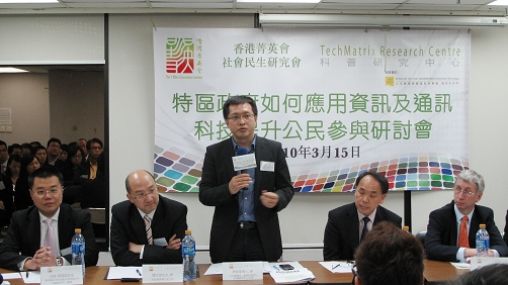
(三)數碼 21資訊科技策略諮詢委員會負責就推動數碼21資訊科技策略的計劃和措施,以及本地資訊及通訊科技的發展藍圖,向政府提出意見。協助弱勢社群融入資訊世界是數碼21資訊科技策略重點之一。該諮詢委員會已成立了數碼共融專責小組(下稱「專責小組」),由政府資訊科技總監擔任會議召集人。專責小組明白,不同殘疾人士在取閱資料和使用服務方面均有特別需要。在二○○九年十二月,專責小組舉辦了三個研討會,與社區機構和三個組別殘疾人士(即身體活動能力受限制、視覺和聽覺有困難者)的代表接觸,以進一步了解他們使用資訊及通訊科技的情況,特別是他們遇到的障礙和需要。
殘疾人士如透過為一般用戶而設的界面使用資訊及通訊科技,會遇到不同程度的困難。儘管現時有輔助技術可解決這些困難,但社會業界仍須作出努力,增加可以透過應用這些輔助技術而接達的內容範疇,以及推動殘疾人士使用這些技術。
為推進以上的工作,政府會在未來數月與相關的非政府機構和專責小組成員合作,共同制訂執行計劃,落實具體措施,包括定期舉行大型研討會,讓殘疾人士、資訊及通訊科技研發機構,以及資訊及通訊科技產品和服務及內容供應商能聚焦交流意見,一方面讓參與者更了解殘疾人士對資訊及通訊科技的需要,另一方面可鼓勵社會各界研究如何將最新開發的資訊及通訊科技應用在他們的設施和服務上,以方便殘疾人士使用。
完
2010年5月12日(星期三) 香港時間16時12分 http://www.info.gov.hk/gia/general/201005/12/P201005120210.htm LCQ7: Assisting people with disabilities in using information and communications technology **************************************************
Following is a question by the Hon Samson Tam Wai-ho and a written reply by the Secretary for Commerce and Economic Development, Mrs Rita Lau, in the Legislative Council today (May 12):
Question:
The Office of the Government Chief Information Officer commissioned the University of Hong Kong in 2005 to conduct a study to assess the degree of digital inclusiveness of different underprivileged groups (including persons with physical disabilities) in Hong Kong. A follow-up study was subsequently conducted in 2008, and the findings showed that there had not been much progress since 2005 in the usage of information and communications technology (ICT) among persons with physical disabilities. In this connection, will the Government inform this Council:
(a) whether the authorities had, in the past two years, further conducted a comprehensive study on the usage of ICT among persons with physical disabilities; if they had, of the outcome; if not, the reasons for that;
(b) given that persons with physical disabilities have special needs in accessing information and using communications technology services, what policies and specific measures the authorities had put in place in the past two years to assist persons with restriction in body movement, seeing and hearing difficulties; and
(c) given that I have learnt that the Digital Inclusion Task Force under the Digital 21 Strategy Advisory Committee has solicited views on the needs of three categories of persons with disabilities, namely those with restriction in body movement, seeing and hearing difficulties, of the details of the views and follow-up actions?
Reply:
President,
Regarding the questions raised by the Hon Samson Tam, my reply is as follows:
(a) The study carried out by the University of Hong Kong in 2008 was concluded in early 2009. It was the most recent study conducted by the Government on the usage of information and communications technology (ICT) by different underprivileged groups in the community including people with disabilities (PwD).
(b) The Government has adopted the following major measures to facilitate the usage of ICT by PwD –
(i) The Social Welfare Department (SWD) has been providing IT support to the rehabilitation sector. Some 710 PCs with Internet access have been installed at various rehabilitation service units. Since 2000, around 19,200 persons with disabilities have attended IT awareness programmes.
(ii) The SWD set up the Central Fund for Personal Computers in 1997 to assist PwD in acquiring computers for self-employment or receiving supported employment service at home. Since the inception of the Fund, a total of 21 batches of applications have been processed and a total of around $4.09 million was granted to 320 applicants.
(iii) In 2005, the Hong Kong Jockey Club Charities Trust contributed $7.15 million for setting up the IT Scheme for people with visual impairment. The Scheme, administered by the SWD, helps organisations acquire high-performance Chinese screen readers and Braille displays at the communal access points of people with visual impairment (PVI) and subsidises individual PVI who requires IT for the purpose of studies or employment but has genuine financial difficulty. To date, a total of nine batches of applications have been processed and a total of around $3.92 million was granted to 119 individual applications and 27 organisational applications.
(iv) In 2008, the Office of the Government Chief Information Officer (OGCIO) commissioned the District Cyber Centres pilot scheme. The scheme aims to enable different underprivileged groups in the community (including the PwD) to access and use ICT through strengthening the provision of computer facilities, Internet connectivity, training and technical support to the cyber centres operated by community organisations in various districts. There are now 33 district cyber centres operated through various non-government organisations (NGOs) throughout the territory participating in this pilot scheme.
(v) The OGCIO has been actively sponsoring various community activities through the Digital Solidarity Fund of the Hong Kong Council of Social Service and different programmes of ICT professional associations to promote the ICT adoption among underprivileged groups (including the PwD), as well as the awareness among public and private websites of the design and presentation needs to address the accessibility requirements of PwD, in particular for the PVI.
(vi) In July 2009, the Government updated a set of accessibility guidelines and best practices in the design of web pages and electronic services with reference to international standards and input from the industry and disabled groups.
(c) The Digital 21 Strategy Advisory Committee (the Advisory Committee) advises the Government on the strategies and programmes facilitating the implementation of the Digital 21 Strategy, the blueprint for ICT development in Hong Kong. Helping the underprivileged groups integrate into the information world is one of the important areas under the Digital 21 Strategy. The Advisory Committee has established a Task Force on Digital Inclusion (the Task Force) under the chairmanship of the Government Chief Information Officer. The Task Force acknowledges that there are special needs among the different PwD groups in access to information and service. To better understand the use of ICT by PwD especially on their specific barriers and needs, three workshops were organised in December 2009 with community organisations and representatives of three PwD groups, namely persons with restrictions in body movement, seeing and hearing difficulties.
PwDs faced different levels of difficulties accessing ICT using interfaces developed for able-bodied users. Assistive technologies to overcome those difficulties are available, but community as well as industry efforts are needed to widen the range of content that could be accessed using these technologies, as well as to increase the deployment of these technologies amongst PwDs.
To take forward the above initiative, the Government will, in collaboration with relevant NGOs and Task Force members, develop an action plan to implement specific measures over the coming months, including holding a regular large scale forum to enable focused exchange of views and insights among PwD groups, the ICT related research and development sectors as well as providers of ICT products and services and of content. The forum will not only raise the awareness of the ICT needs of the PwD but also encourage different sectors to consider how the latest ICT development could be adopted in their facilities and services to facilitate the usage of the disabled.
Ends/Wednesday, May 12, 2010 Issued at HKT 16:28
NNNN
|